
News
Whanganui Regional Museum is inviting schools to bring students to the Museum for hands-on experiences that connect curriculum learning with local stories, specialist knowledge, and creative practice.
Scheduled for Term Four delivery, the Museum is offering two education programmes with activities spanning science, mātauranga Māori, history, art, technology and design. The programmes are available for learners from ECE through to Year 13, and delivered by qualified Museum educators, supported by the Ministry of Education’s Education Outside The Classroom (EOTC) fund.
Typography in Motion brings design, history and creativity together through typography and printmaking. Rūaumoko – Restless Land offers science, mātauranga Māori and natural-hazard learning through practical investigation.
Typography in Motion
From 20 October to 4 December, learners can experience Typography in Motion, inspired by the Festival of Design Aotearoa 2026. Students will take creative cues from the Museum’s newest exhibition Protest! followed by a series of design challenges inspired by themes of protest and poetry.
Led by Pou Mātauranga/Team Leader Education, Natasha Priddle, the programme explores how typography, design and physical space can influence the way people interpret and experience text. Students will explore composition, white space, text placement and the relationship between words and their physical surroundings, before turning their ideas into printed posters and collaborative installations.
The Museum’s historic proofing press will be a central part of the programme. Originally used by The Whanganui Chronicle, the press will be used by students to produce posters on newsprint, combining colour and type. Resolved artworks will be displayed in the Museum’s Atrium for the public to view, and a selection of printed posters will be displayed on the exterior of the former Chronicle building on the corner of Drews Avenue and Rutland Street. The building was the first purpose-built printing house for the Whanganui Chronicle and is now home to Article café, New Zealand Glassworks, and studio spaces for local artists and creators. Jack Mitchell-Anyon, current owner of the building and Article café, is supporting Natasha’s vision to present the resulting student work to the community as public art.
“While the proofing press is our headline act, I can’t wait to see what students do with the typography challenges leading up to the printing process. Our invitation to students is to think of type as more than a mundane vehicle for meaning. Typography has the power to provoke emotion, disrupt biases and entertain us,” says Museum educator Natasha Priddle.
“For example, the senior students will turn themes of protest into poetic stanza, then look to the principles of design to develop an appropriate font and compose it purposefully on a page.”
Natasha says the purpose of EOTC programmes is to bring the curriculum to life through real-world experiences, adding that EOTC programmes are immensely valuable for teachers as they provide learning opportunities that teachers don’t have the capacity to deliver in the classroom.
“EOTC programmes offer unique opportunities for applied learning, requiring students to touch, explore, question, and interact with real objects, real people, and view the direct impact of their contributions. Outside the walls of a classroom, beyond screens, beyond paper and digital presentations, tamariki and rangitahi can clearly see themselves as valued members of our community.”
Natasha says Museum educators also offer teachers support with topic research, resource development, and access to practical media not readily available in schools.
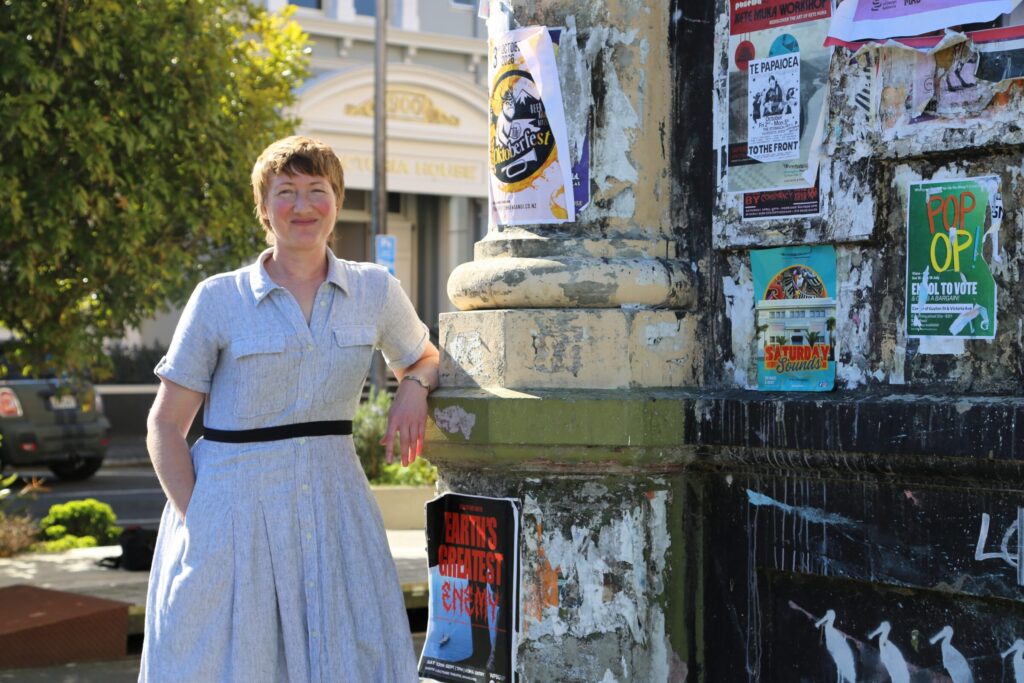
Natasha Priddle outside Article Café, where student artwork will be posted.
Photo: Karen Hughes, Te Puni Tiaki Taonga o Whanganui/Whanganui Regional Museum
“I specialise in the development of STEAM pedagogies, which are highly beneficial for students’ critical thinking. STEAM projects highlight the intersections between disciplines (Science, Technology, Engineering, Art, Mathematics). Typography in Motion is drawn from the social sciences, bi-cultural literacy, numeracy, technology, DVC and the visual arts. Students can clearly see how different disciplines network together to fulfil a purpose.”
“One of the mandates of our education department is to extend the national curriculum by providing information around local context. Teachers simply don’t have time to conduct in-depth research into unique aspects of their community – they must focus on the curriculum – so it’s a privilege to be able to support them in this way.”
Natasha says teachers also benefit from working and learning alongside their students, which contributes to strong classroom relationships.
“A common piece of feedback we get from teachers is that they’ve experienced a different side of their students, gaining insight into their unique character, strengths, interests and talents.”
Sessions run Tuesday to Friday, from 10am to 12pm, with capacity for up to 35 learners per session.
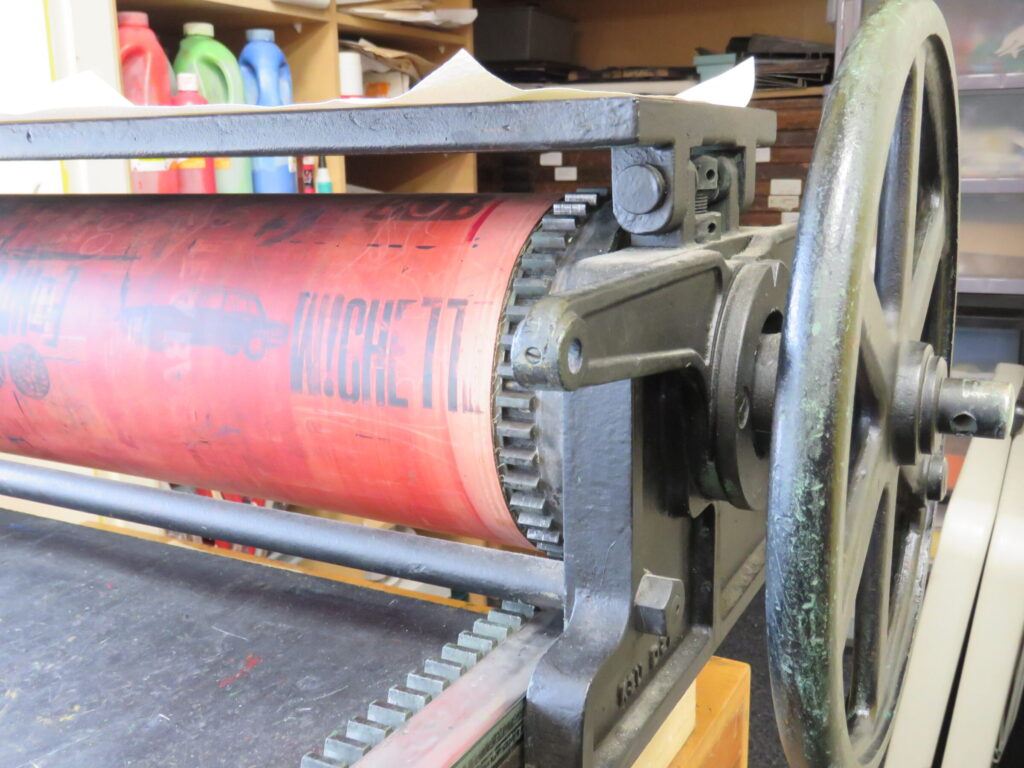
Photo: Karen Hughes, Te Puni Tiaki Taonga o Whanganui/Whanganui Regional Museum
Rūaumoko – Restless Land
From 27 October to 4 December, students can explore the forces that shape Aotearoa through Rūaumoko: Restless Land, a touring exhibition developed by Te Papa Tongarewa and Natural Hazards Commission Toka Tū Ake, currently on display at Whanganui Regional Museum.
The programme explores Rūaumoko, the atua (god) associated with earthquakes and volcanic activity, alongside scientific understandings of the forces that shape the whenua/land.
Through hands-on activities, geological specimens, models and practical challenges, students will investigate earthquakes, volcanoes, tectonic movement, floods and other natural hazards, exploring how and why the whenua is constantly changing. The programme also encourages students to think about how people live alongside natural hazards, and how knowledge, preparation and resilience can help communities respond to natural events.
Sessions are led by the Museum’s Kaiwhakaako Māori/Māori Educator, Timara Wallace and run Tuesday to Friday, from 1pm to 2.30pm. Each session can accommodate up to 35 learners.
The programme connects with mātauranga Māori, science, geology, environmental education, and health and safety, and is suitable for learners from ECE through to Year 13.
Book a Term Four session
Bookings are now open for Term Four. Early childhood centres, schools and home-school learning groups are encouraged to secure their preferred session dates early.
For programme information and bookings, visit wrm.org.nz or contact the Whanganui Regional Museum education team.
Whanganui Regional Museum Term 4 Education Programme 2026
Typography in Motion 20 October – 4 December 10am-12pm
Rūaumoko – Restless Land 27 October – 4 December 1pm-2.30pm
For full details, visit wrm.org.nz or contact the Education team: education@wrm.org.nz
Read the interview and story published by the Whanganui Chronicle here: Chronicle’s historical proofing press centre of Whanganui Regional Musuem education programme
Karen Hughes
5 October 2026
Uncategorised
Latest News
5 October 2026
Students to put their own stamp on Whanganui’s creative landscape
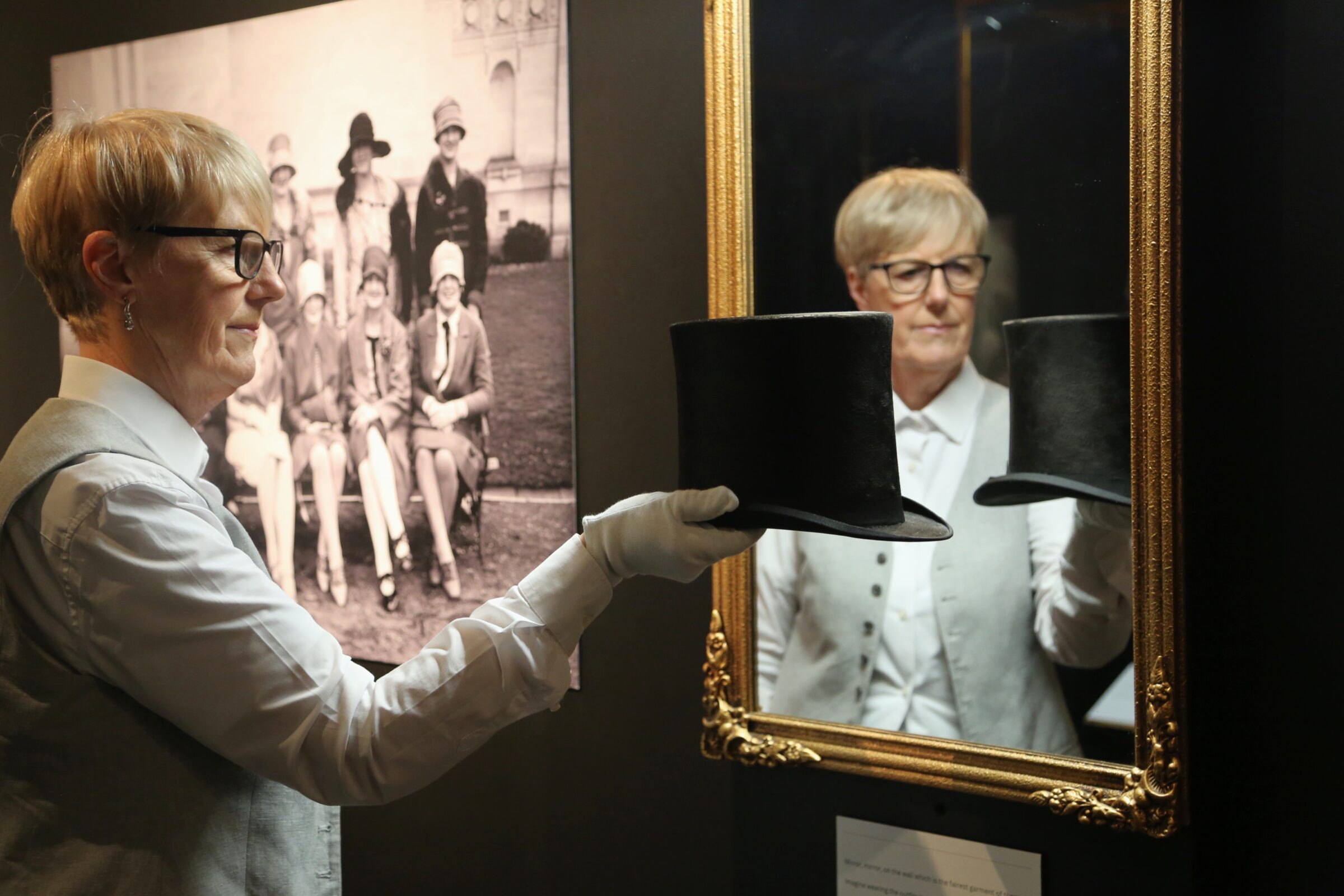
22 September 2026
Top hats, tails and villains – the sinister side of Victorian style
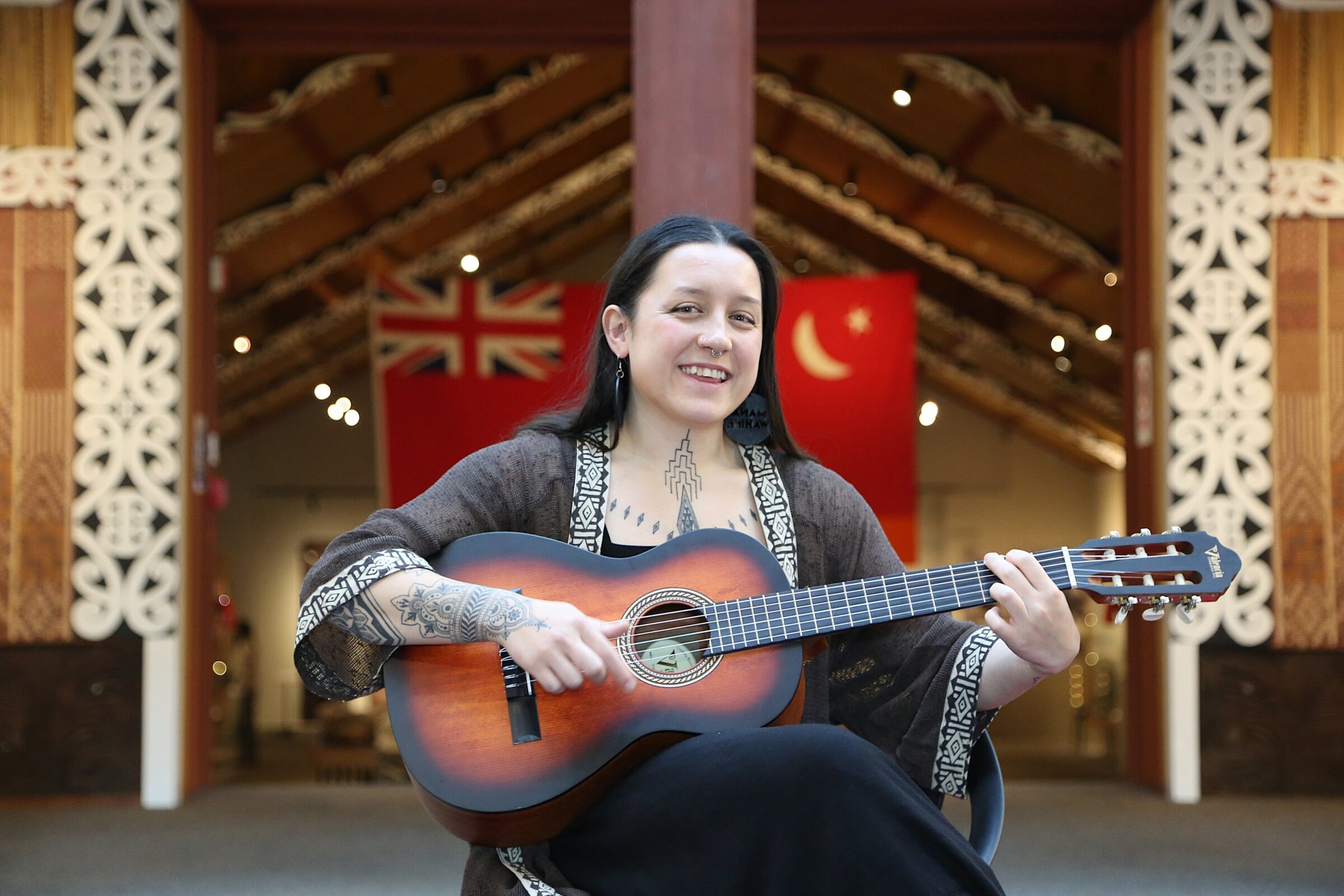
3 September 2026
Give it a Go! Museum Celebrates Te Wiki o Te Reo Māori
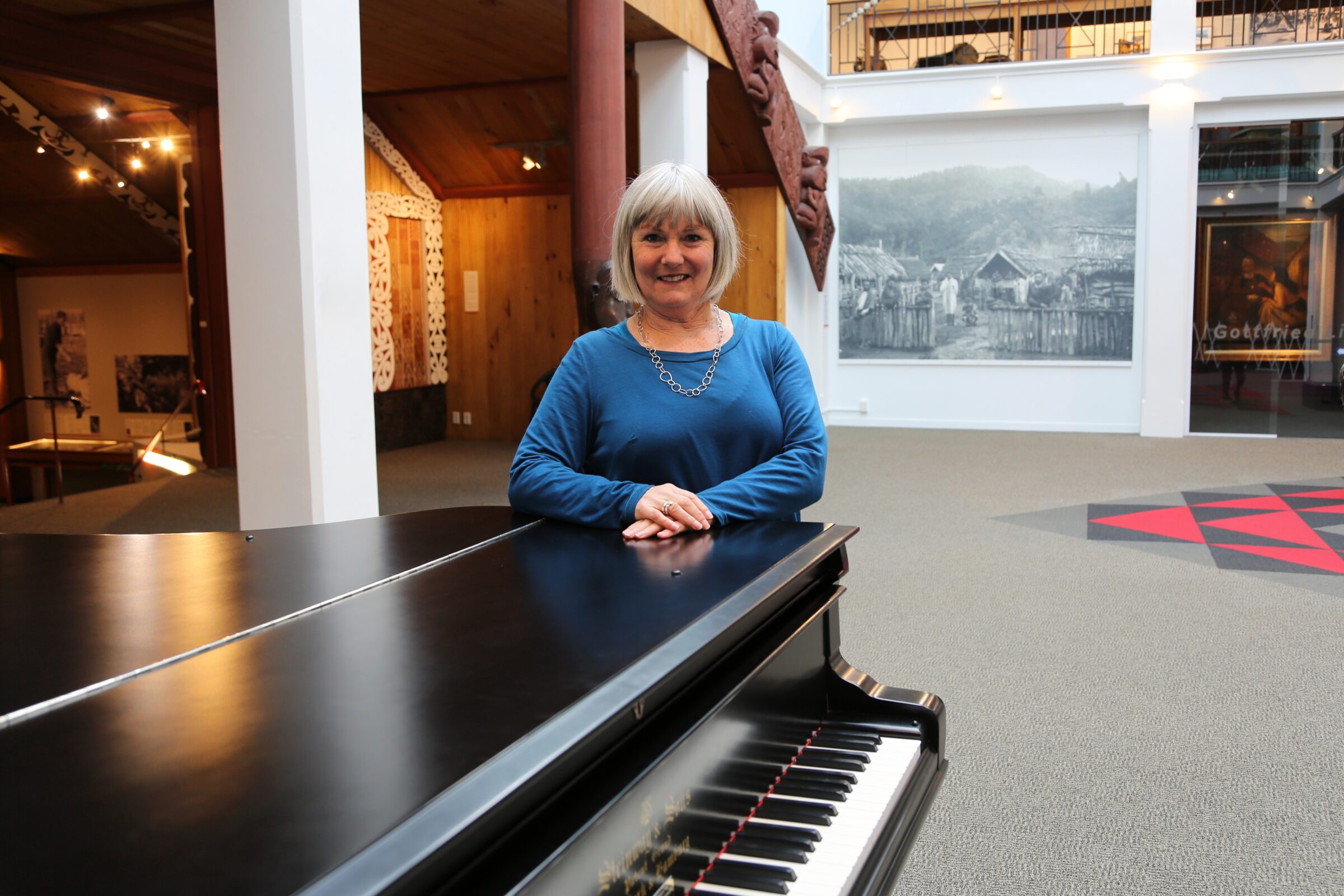
6 August 2026
New Series Brings Live Music to Museum
3 August 2026